Threads of Care from Alps to Adriatic
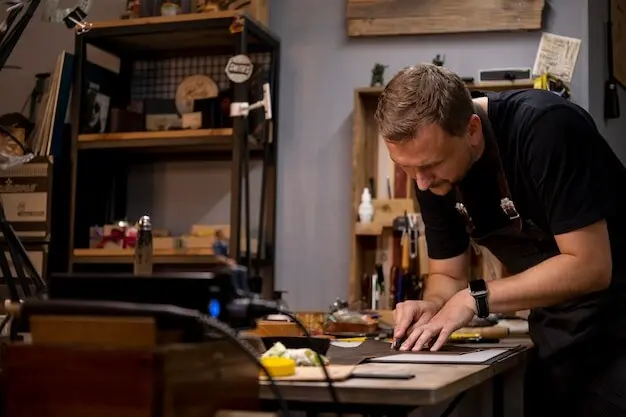
Today we explore Slow Fashion in the Alpe‑Adria, celebrating natural fibers, plant and mineral dyes, and circular design that honors both landscape and craftsmanship. Expect stories from mountain pastures and coastal workshops, practical guidance for mindful wardrobes, and invitations to participate through repair, dye experiments, and community action that strengthens meaningful connections between what we wear and where we live.

Roots in the Landscape

Clothing begins long before a sketchbook line or a cutting table; it starts in fields, forests, and high meadows shaped by wind and time. Across alpine ridges and Adriatic lowlands, growers and herders steward species that give softness, strength, and breathability, creating fibers that tell of altitude, rain patterns, soil health, and the respectful pace of patient work.

Madder, Weld, and Walnut Wisdom

Gathering and preparing dye materials becomes a seasonal ritual: lifting madder roots after years underground, drying weld in bundles that smell of hay, saving walnut hulls from autumn preserves. A Trieste workshop logs ratios meticulously, then trusts experience, achieving reds that breathe, yellows that stay cheerful, and browns layered like bark—colors that fade gracefully rather than disappearing overnight.

Iron, Alum, and Tannin Partnerships

Safe mordanting aligns chemistry with ecology. Alum binds color without harshness when measured and neutralized responsibly. Tannins from chestnut or gallnuts offer gentle assist, while iron modifies shades toward slate and olive. A Slovenian dyer treats wastewater with plant ash and natural filters, proving that beauty gains meaning when every bath, rinse, and discard respects shared waterways.

Testing for Life, Not Just Launch

Colorfastness is a relationship with use. Swatches are worn under backpacks, washed with mild soap, left in sunlit windows, and rubbed along seam allowances. Notes guide improvements rather than excuses. Designers accept the charm of evolution, preferring garments that develop patina to those that fake permanence, because maturity in hues mirrors maturity in the wearer’s unfolding experiences.

Designing for Circular Journeys

Keeping a garment as one primary fiber simplifies recycling and improves feel. A jacket in hemp twill with hemp thread, corozo buttons, and removable locally tanned leather patches can be disassembled and reprocessed. When function demands blends, designers document composition and future routes, acknowledging trade‑offs honestly while avoiding wishful claims that confuse wearers and sabotage responsible end‑of‑life planning.
Snap‑in liners, replaceable cuffs, and gussets invite customization and extend years of service. When wear appears, darning becomes storytelling, not defeat. A cyclist from Udine stitched indigo‑dyed patches onto elbows, each repair annotated with ride distances and weather memories, transforming abrasion into biography and proving longevity can feel expressive, personal, and stylish rather than merely thrifty or dutiful.
Zero‑waste patterning arranges shapes like a cartographer mapping generous borders, while clever nesting transforms triangles into pocket stays or facings. Inevitably, slivers remain; these become braided ties, stuffing for tailor’s hams, or educational swatches. A workshop in Ljubljana posts monthly offcut audits, inviting volunteers to co‑design accessories, making accountability a participatory celebration instead of a backroom burden.

Apprenticeships that Keep Hands at Home

An apprentice spinner shadowed a third‑generation miller through seasons: repairing carding teeth, adjusting humidity, learning to smell when oiling is right. Instead of leaving for distant factories, she now mentors rural teens. Her story reminds us that dignified work grows when skills are inherited deliberately, and when local pride is rewarded with fair contracts, visibility, and long‑term partnership.

Transparent Costs, Honest Value

Price tags here read like travel diaries: grazing fees, scouring energy, dye harvest labor, cutting hours, and final stitching time. Customers see margins that pay living wages and fund maintenance, not only marketing gloss. This doesn’t dilute romance; it deepens it, because affection grows when we recognize how many careful decisions and steady hands shape a favorite garment.

Shared Tools, Shared Momentum

A cooperative tool library lends skein winders, pH meters, and tufting frames. Members schedule dye‑days, coordinate wool drops, and bulk‑purchase dehairing services. By reducing capital pressure, experimentation thrives and failures are survivable. The resulting culture favors iteration over hype, allowing ideas to mature until garments finally match the region’s layered character and the wearers’ long horizons.

Craft, Community, and Cross‑Border Collaboration

Borders in this region once divided markets, yet rivers and trade paths wove people together. Today, fairs and micro‑conferences connect weavers from Villach, dyers from Piran, and pattern cutters from Tolmezzo. Shared logistics reduce emissions, pooled sampling lowers risk, and friendships spread knowledge faster than manuals, ensuring resilient supply webs that value care as much as efficiency.

Care That Multiplies Years

Sustainability at home looks humble: a drying rack by an open window, a needle tin near the sofa, a brush for wool coats, and a notebook tracking stains and solutions. Small routines compound into extra years, spreading environmental savings through avoided production while letting personality accumulate as textures soften, edges round, and color settles into a calm, earned glow.

Join the Movement, Shape the Wardrobe

This journey thrives when many hands pitch in. Share your favorite local shepherd or dyer, ask a question about mordants, or request a tutorial we should film. Subscribe for field notes, workshop invitations, and repair circles. Your comments steer future investigations, and your photos of mends, dye pots, and trail‑tested jackets inspire others to start where they already stand.

Map Your Clothes to Places

Open your closet and write where each piece likely began: pasture, field, or factory. Note fibers, finishes, and aftercare. Then plot manufacturers or artisans on a simple map of Alps and Adriatic ports. Patterns emerge quickly, revealing gaps to fill locally and relationships worth deepening. Share your map with us, and we’ll feature thoughtful journeys that teach and encourage.

Weekend Dye Pot Experiment

Try a safe kitchen‑scale dye: onion skins, avocado pits, or walnut shells, using alum at measured amounts and proper disposal. Keep a notebook of temperatures, timings, and pH observations. Photograph swatches in daylight and after washing. Post results, questions, and surprises. Community critique turns experiments into knowledge, helping everyone move from curiosity to confident, repeatable colorwork.

Show Your Stitches and Subscribe

Post a before‑and‑after repair, tag the maker if you know them, and tell the story of how the damage happened and what you learned while fixing it. Then subscribe for seasonal guides, farmer interviews, dye plant calendars, and pattern experiments. Your presence keeps this effort grounded, curious, and brave enough to keep asking better questions about making and wearing.
Karovexomiraloronilokento
Privacy Overview

This website uses cookies so that we can provide you with the best user experience possible. Cookie information is stored in your browser and performs functions such as recognising you when you return to our website and helping our team to understand which sections of the website you find most interesting and useful.