Hands, Hills, and Harbors: Making the Alpe‑Adria

Today we wander through Architectural Craft: Timber Framing, Stone Masonry, and Boatbuilding of the Alpe‑Adria, tracing how mountains, karst, and sheltered coves shape techniques, materials, and daily life. From Carinthian farmyards to Istrian shipyards, we celebrate resilient design, human patience, and ingenious vernacular solutions. Join the journey, ask questions, subscribe for field notes, and share stories from your family’s workshop, shoreline, or village square.

Mortise, Tenon, and the Quiet Law of Compression
Before iron nails were common, joints learned to listen to gravity. Mortises cradle tenons, oak pegs swell after rain, and shoulders take the load like patient oxen. Carinthian patterns echo into Friuli valleys; Slovenian scribe rules trace plumb lines beside a kettle of soup. The frame breathes, shrinks, and steadies through winters, its tiny gaps negotiating peace with storms, while carpenters read grain like cartographers reading hidden contours.

Kozolec Hayracks and Open‑Air Geometry

Across Slovenian fields, the kozolec stands like musical notation for wind and work. Rungs stack hay into fragrant walls; the double toplar becomes a street, a stage, a place where harvest dances once began. Restoration crews tag each piece, catalog weathered posts, and lift trusses carefully with community hands. Children learn counting by bays, elders discuss drip edges and sun paths, and travelers realize architecture can be a breathing calendar.

Stone Lessons from Karst, Istria, and Alpine Gorges
Dry‑Stone Walls That Hold Slopes and Memories

Without mortar, hands convince irregular stones to share burdens. On island ridges and Kras terraces, each course laces into the next, letting winter rains seep safely through. The craft, recognized by UNESCO, is a communal ledger: work recorded in shade lines and lichen blooms. I watched a mason on Krk reset a fallen cheekstone, humming as swallows stitched the air, proving patience can rebuild what hurried weather undid.

Arches, Voussoirs, and the Pleasure of Gravity

An arch is a friendly argument resolved in compression. Voussoirs lean on neighbors, a keystone smiles downward, and thresholds open with surprising lightness. From Piran courtyards to Trieste’s hinterland farms, Istrian limestone accepts a chisel’s rhythm, then hardens like good bread’s crust. Templates guide the curve; centerings creak softly before the final wedge taps home. When the frame drops, silence blooms, and stones begin speaking in full sentences.

Lime, Sand, and the Patient Breath of Mortar

Quicklime slaked into creamy putty waits months, sometimes years, before returning to stone as gentle binder. Mixed with clean sand, it breathes through walls, exhaling winter damp and summer heat. In shaded yards, masons test the drag on a trowel’s back, listening for the right whisper. Cement may hurry, but lime forgives, heals hairline fractures, and ages handsomely. Facades glow softly, and interiors feel calm, as if walls remembered rain.

Boats Drawn by Wind, Current, and Work

North Adriatic hulls grew from coves, reeds, and chores. Flat bottoms slide over shallows; rounded bilges tame chop under the bora’s sudden lash. Oak frames, larch planks, and tar’s sweet shadow keep families fishing before dawn. In Rovinj, the batana launches to song; across Kvarner, gajeta and leut carry nets and gossip. Tools tap rhythms on ribs, and harbors turn into schools where water corrects every mistake kindly.

Rovinj’s Batana: Flat‑Bottomed, Friendly to Shallows

The batana wears the shoreline like a favorite jacket, slipping across eelgrass with a shy wake. Builders loft curves on the floor, then bend steamed planks while neighbors hold breath and clamps. The Ecomuseum Casa della Batana keeps memories afloat: songs echo, recipes travel, and a newly painted hull receives blessings at dusk. Utility becomes beauty when boat and cove decide to trust each other again every morning.

Gajeta, Leut, and the Stubborn Beauty of Utility

Workboats carry character in their sheerlines. A gajeta sits broadly honest, steady with nets and grandchildren; a leut strains forward, promising distance and market bells. Clinker laps murmur; carvel skins gleam when sun tilts low. Names change by bay, but the logic endures: enough beam for patience, enough draft for safety. When the jugo sulks along the horizon, these boats shrug, remembering grandfathers who argued successfully with weather.

Oakum, Tar, and the Meaning of a Tight Seam

Between planks, a small world matters. Caulkers tease oakum into grooves, tap irons in a heartbeat tempo, and brush warm tar that smells like stories. Tight seams turn effort into confidence, letting crews think about fish instead of fear. I learned the swing in Lošinj, where a kindly shipwright corrected my grip, then nodded as the strand nested perfectly. Sometimes craft is a conversation too quiet for words, yet unforgettable.
Tools, Hands, and the Quiet Transfer of Know‑How

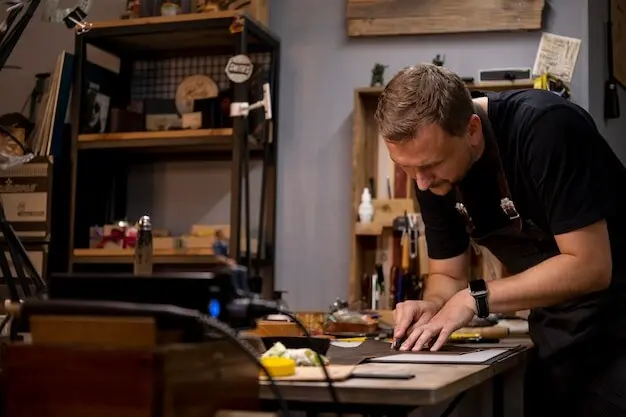
Workshops hum with contrasts: adzes above laser lines, chalk strings beside tablets sketching joints. Blacksmith‑forged chisels share benches with carbide teeth; boat molds lean near 3D templates. Yet nothing replaces standing close, catching a master’s pause before the decisive cut. Marks on beams, tally lines on stones, and pencil arcs on lofting floors form an alphabet of practice, read aloud by fingertips and the pace of breath.

Forests, Quarries, and Shipyards: Choosing Materials Well

Good buildings begin with respectful sourcing. Foresters mark spruce on cold slopes where tight rings promise strength; larch from sunnier flanks resists rot at splash zones. Quarries read stone like layered biographies, aligning beds with resting loads. In shipyards, oak saves its bravest curves for stems and keels. Salvage finds second lives; certificates prove stewardship; local knowledge trims transport footprints. Selection becomes design long before any blade meets fiber.

Spruce, Larch, and the Way a Tree Grows on a Slope

Mountain trees write their struggle in the spacing of rings. Slow years tighten fibers; the pith wanders when wind has opinions. A framer sights the cant, orients heartwood away from persistent wet, and respects crown tension when cutting long sills. Larch earns the weathered places; spruce sings in trusses. When beams finally land true, the forest’s patient accounting expresses itself in quiet spans and eaves that neither brag nor fail.

Karst Quarries and the Grain Inside Limestone

In Istria and the Karst, stone opens like bread loaves when you understand its bedding. Quarrymen tap, listen, and split along honesty lines. Pietra d’Istria once sailed to Venice, becoming steps, quays, and saints’ pedestals. Today, small yards still trim blocks for lintels, sills, and paving that forgives salt. Good practice avoids chisel‑crushing crystalline planes, aligns faces with load, and stores off the ground, because rain remembers every careless shortcut.

Harbors That Repair, Not Replace

A responsible harbor keeps boats working longer rather than selling them new disguises. Planks are scarfed, not discarded; frames sistered, not forgotten. Local yards share slipways, craftsmen, and coffee, lowering costs and teaching continuity. Environmental gains arrive quietly: less waste, fewer deliveries, more knowledge retained. When a child watches a refastening instead of a demolition, a seed is planted—maintenance as culture, stewardship as daily habit, seaworthiness as shared pride.

Journeys, Festivals, and Ways to Join the Work

Craft thrives when people gather—on terraces, under rafters, along piers. Summer workshops invite beginners to lift mallets; autumn fairs celebrate meticulous repairs. Museums turn into active classrooms; festivals pair music with hands‑on tasks. Bring gloves, questions, and a notebook with smudged corners. Subscribe for dates and routes; propose visits and interviews. The best entry point is often a shared lunch followed by the satisfying clack of fitted parts.

An Evening at the Batana House

Rovinj’s Batana House glows like a lantern near the waterline. Exhibits smell of resin; decks echo underfoot; volunteers teach knots with easy patience. At dusk, a freshly caulked batana slides out, and songs fold into the harbor’s hush. Visitors help haul, children steer, elders nod at neat workmanship. Come, sign the guest book, leave your email, and return for the next launch when the moon lends its calm advice.

On a Terrace Above the Sea, Building One Stone at a Time

Volunteer camps along Istrian and Kvarner terraces welcome curious hands. Morning briefings set goals; by noon, walls rise line by line while lizards supervise. No cement, only gravity and careful choices. Evenings bring stews, cool breezes, and laughter unraveling sore muscles. You learn to move stones without argument, to trust a level’s bubble, and to admire lichen. Sign up, pack sturdy shoes, and bring stories for the communal table.

Subscribe, Share, and Step Closer

We continue collecting field notes, interviews, and photo essays from valleys, quarries, and boat sheds. Subscribe for new posts, workshop calendars, and maker profiles. Add questions in the comments, suggest masters to visit, or volunteer translations across the region’s languages. Your memories—grandfather’s chisel, grandmother’s limewash—will guide future articles. Participation keeps this knowledge alive, ensuring hands, hills, and harbors remain connected by generous, practical conversation.
Karovexomiraloronilokento
Privacy Overview

This website uses cookies so that we can provide you with the best user experience possible. Cookie information is stored in your browser and performs functions such as recognising you when you return to our website and helping our team to understand which sections of the website you find most interesting and useful.